Restoration service · 24/7 emergency response
Flooded Basement Cleanup
Flooded basement cleanup is the pump-out, extraction, drying, and sanitation work that returns a below-grade space to a safe, dry condition after flooding. Basements flood for many reasons, and each one needs a slightly different response. If your basement has water in it, call now and a crew will talk you through the safe first steps.
What this service involves
The lowest point of the house is where water ends up
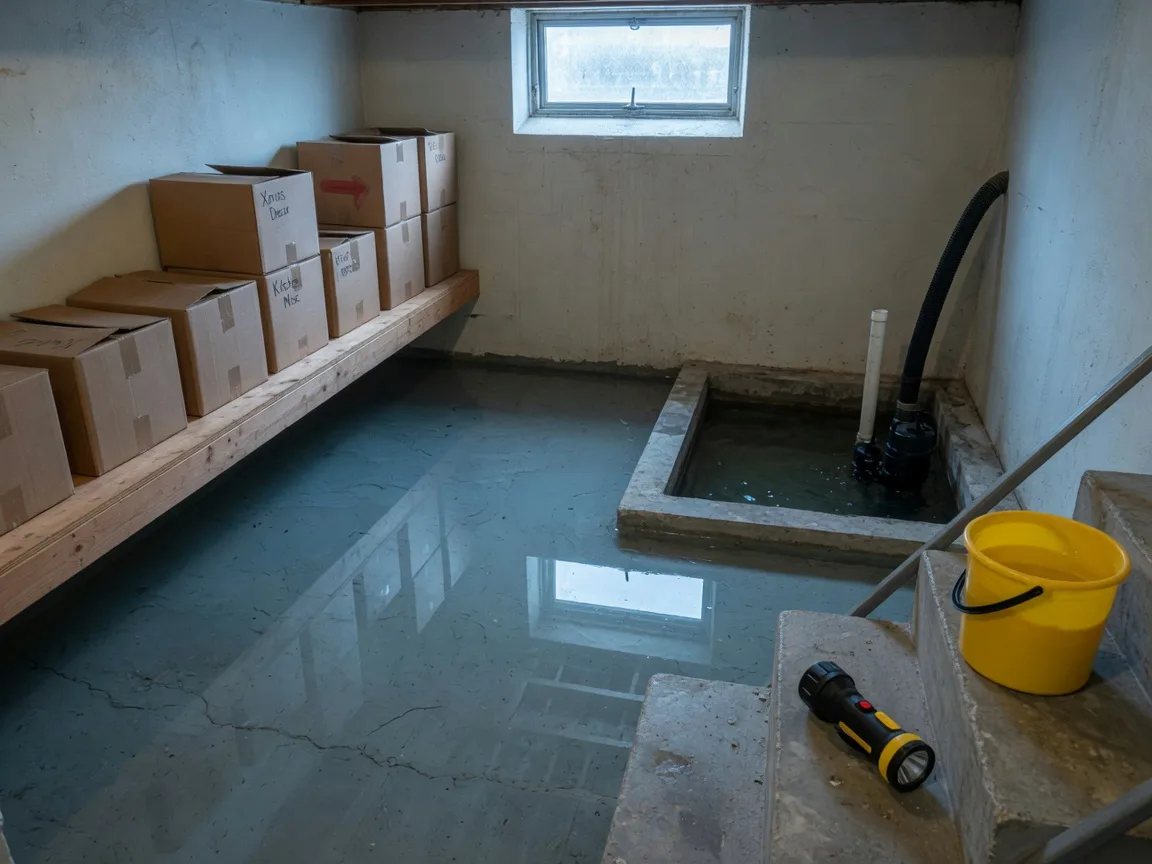
Basements collect water for a reason: they sit below grade, so groundwater, storm surge, and internal leaks all end up down there. The water may be clean supply water from a burst pipe or hot water tank, or it may be contaminated groundwater or sewage from a backup, and the category changes everything about how it is handled.
Metro's basement response starts with safety, confirming the water type and any electrical risk before anyone goes near it. Then the water is pumped out, the floor and walls are extracted and dried, and affected contents are addressed. Because basements stay humid and cool, drying and dehumidification run longer and are monitored daily.
- Safe pump-out of basement floodwater
- Extraction and drying of floors and lower walls
- Assessment of sump pump and drain situations
- Cleaning and sanitation of affected surfaces
- Daily moisture monitoring until dry
What a professional flooded basement cleanup job includes
Pump-out
Submersible pumps remove deep basement floodwater quickly and safely.
Floor extraction
Concrete floors and lower wall areas are extracted and dried.
Extended drying
Cool, humid basements get extra dehumidification and airflow.
Sanitation
Affected surfaces are cleaned and treated per the water category.
Content triage
Boxes, furniture, and stored items are assessed and protected where possible.
The process
How flooded basement cleanup works at Metro
From the first call to the final check, every job follows the same disciplined sequence.
- 01
Assess safely
The crew confirms water category and electrical safety before work begins.
- 02
Pump the water
Deep water is pumped out and the floor is extracted.
- 03
Stage drying
Air movers and dehumidifiers dry the space and lower wall areas.
- 04
Clean and treat
Surfaces are cleaned and sanitized, and affected contents are handled.
- 05
Verify dry
Moisture readings confirm the basement is dry and ready for use.
When to call
When should you call about flooded basement cleanup?
Call for basement cleanup the moment you find standing water, whether it is an inch or several feet. Basement water can damage walls, floors, stored belongings, and the home's structure, and the source may keep pushing water in until it is stopped.
(248) 617-0738- Water is standing in any part of the basement
- A sump pump failed or is running constantly
- Water came in through a wall, floor crack, or window well
- The water could be from a sewer or storm backup
Straight answers
Flooded Basement Cleanup questions, answered directly
Why is my basement flooding?
Common causes include a failed or overwhelmed sump pump, groundwater rising through floor cracks or walls, blocked or failing drainage, storm water entering window wells, and internal leaks from pipes or water heaters. The cause determines both the cleanup and the fix.
Is basement floodwater dangerous?
It can be. Groundwater and sewer backups may contain contaminants, and water can be energized by electrical systems. Treat basement water as potentially unsafe and keep people and pets out until a professional assesses it.
How long does basement drying take?
Basements are below grade and naturally cool and damp, so drying typically takes longer than main-floor drying, often a week or more with heavy dehumidification. Daily readings determine when the space is truly dry.
Emergency assistance
Need flooded basement cleanup help right now?
Active water damage moves fast. One call connects you with the restoration response available in your area.
(248) 617-0738 / 24/7 emergency assistance